
You've selected organic cotton tees or recycled polyester bags for your next order. Smart start—but sustainable custom apparel doesn't end with fabric choice. The decoration method you select and the design you create have just as much impact on your environmental footprint as the blank product itself. A complex eight-color screen print on that organic cotton shirt can generate significant waste through screens, chemicals, and excess ink, undermining your sustainability goals before the first box ships.
The good news: you control two crucial decisions that dramatically affect resource consumption. How you design your graphics and how you print them directly determine water usage, chemical waste, energy consumption, and material efficiency. This guide walks through practical choices that reduce environmental impact without sacrificing visual quality—from selecting the right decoration method to simplifying your design in ways that actually make it stronger.
Why Design and Printing Choices Matter for Sustainability
Different decoration methods consume vastly different amounts of water, energy, and chemicals. Screen printing requires screens that need coating, exposure, and eventual reclaiming—all water and chemical-intensive processes. Heat transfer methods use disposable carrier materials. Direct-to-garment printing may need pretreatment chemicals. Even embroidery, which avoids inks entirely, relies heavily on polyester thread and backing stabilizers. The method you choose sets the baseline environmental cost before you print a single piece.
Design complexity multiplies that baseline. A single-color logo uses one screen in screen printing. Add three more colors and you've quadrupled the screens, setup time, and waste. A small chest print requires less ink, thread, or toner than a full-back design. Multiple print locations—front, back, sleeves—mean running the garment through production repeatedly, compounding energy use and material consumption at each step.
These factors work together. A simple two-color design printed with a low-waste method minimizes impact. A complex full-color design using a resource-intensive process maximizes it. Understanding this relationship helps you make informed trade-offs—sometimes that detailed design is worth the extra resources, but often a simpler approach delivers the same impact with a fraction of the environmental cost.
Sustainability of Various Print Methods
Not all decoration methods carry the same environmental footprint. Some methods minimize water and chemical use but rely on disposable materials. Others require significant setup and energy but excel at durability. Here's how the most common decoration methods compare on sustainability, with honest trade-offs for each.
Embroidery
Embroidery stands out as one of the most sustainable decoration methods available. It applies thread directly to the garment rather than surface coatings, which means no ink washout, no chemical mixing, and minimal wastewater generation during production. The process is mechanically straightforward—needles, thread, and backing material—avoiding the complex chemistry that defines most other decoration methods.

The durability advantage reinforces the sustainability case. Embroidered logos don't crack, peel, or fade the way printed designs can. They withstand industrial washing, heavy wear, and years of use without degradation. This longevity is critical—the most sustainable garment is one that stays in rotation instead of ending up in a landfill after a season. Embroidery particularly shines on polos, jackets, hats, and bags where decoration needs to match the garment's expected lifespan.
Thread choice affects the environmental profile. Most embroidery thread is polyester, but recycled polyester options are increasingly available and perform identically to virgin thread while repurposing existing PET. The process does require backing stabilizers—typically tear-away or cut-away materials that add some solid waste—and large filled designs with high stitch counts consume more thread and stabilizer than simple outlines or text.
Best for: Logos and text on structured garments like polos, button-ups, outerwear, and headwear where durability justifies the slightly higher cost per piece.
DTF (Direct-to-Film)
DTF has emerged as a surprisingly sustainable option, particularly for small to medium runs with detailed designs. The process is entirely digital and dry—no screens to coat, expose, or reclaim, which eliminates the water and chemical overhead that screen printing requires. Designs print onto PET film using water-based inks, then transfer to garments with heat and adhesive powder. For variable designs or short runs where screen printing would generate significant setup waste, DTF cuts material consumption substantially.
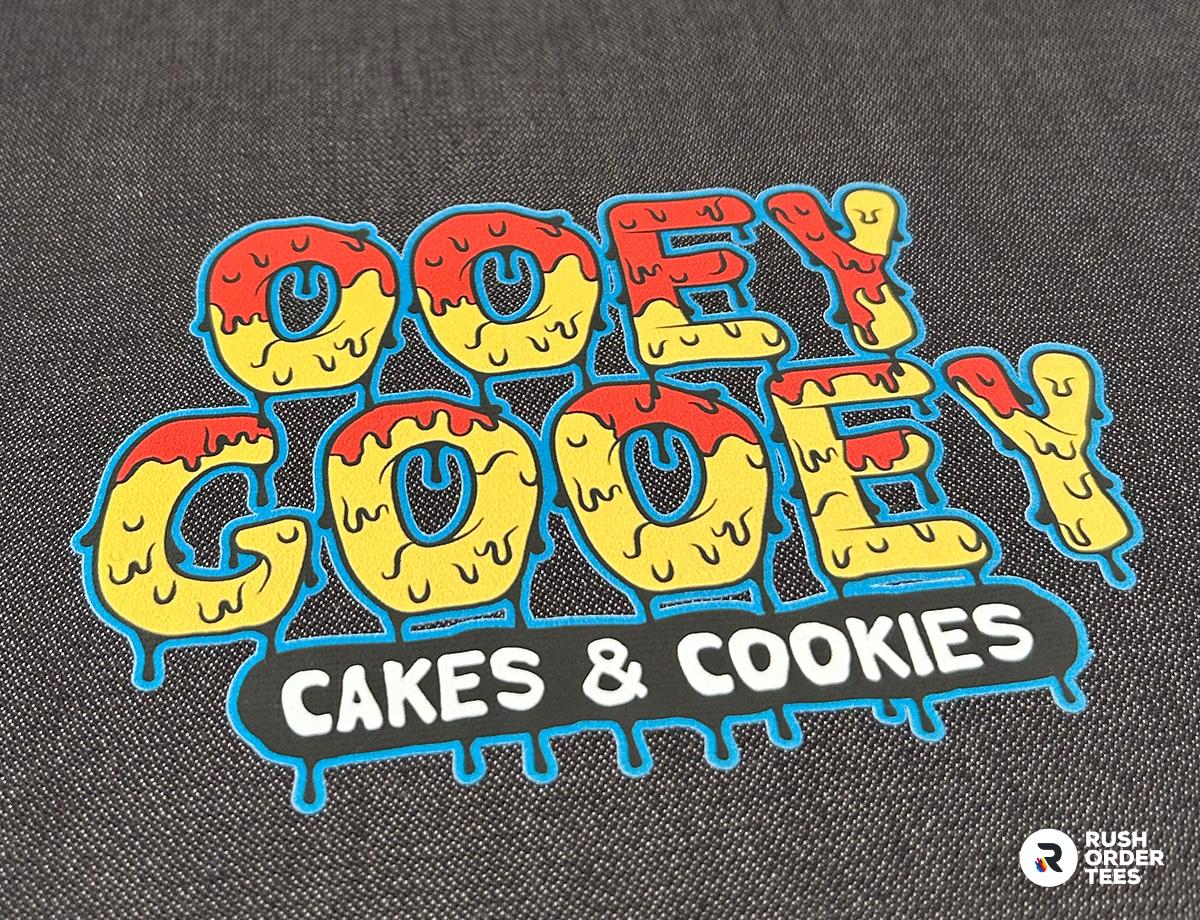
The precision of digital printing reduces another common waste source: misprints and rejected garments. Screen printing mistakes can ruin entire batches during setup. DTF prints what you see on screen, minimizing do-overs and scrap. Many DTF systems now use OEKO-TEX certified inks and low-VOC adhesive powders, addressing chemical concerns while maintaining vibrant color and wash durability that keeps garments wearable longer.
The trade-off comes from the carrier film itself. PET transfer sheets are single-use and difficult to recycle after contamination with adhesive residue, creating solid waste with each print. The adhesive powder application and two separate heat-pressing steps also add material and energy overhead compared to screenless methods like embroidery. Still, when compared to plastisol screen printing workflows—especially on orders under 100 pieces—DTF often uses less water, fewer chemicals, and generates less total waste.
Best for: Full-color designs on t-shirts and hoodies, small to medium quantities, and projects requiring decoration across cotton, polyester, and blends where detail and color accuracy matter.
Screen Printing (Plastisol-Based)
Screen printing remains the industry standard for large runs, but its sustainability profile depends heavily on shop practices and order volume. The process uses water and chemicals at multiple stages: coating screens with emulsion, exposing designs, washing out unexposed emulsion, and reclaiming screens after printing for reuse. Plastisol ink—the most common choice for its opacity and consistency—introduces PVC and plasticizers, requires higher curing temperatures than water-based alternatives, and doesn't biodegrade.
The setup-intensive nature creates waste on small orders. Each color needs its own screen, and the coating-exposure-washout cycle consumes resources before you print a single shirt. A four-color design on a 24-piece order generates disproportionate waste relative to output. Scale matters significantly here—those same four screens printing 500 pieces spread the environmental cost across many more garments, improving the per-piece impact considerably.
Durability provides the counterbalance. Plastisol screen printing produces some of the longest-lasting decoration available. Prints withstand years of washing and wear without fading or cracking when properly cured. For large orders where garments will see heavy use—team uniforms, workwear, event staff shirts—the longevity can outweigh the production impact by keeping garments in service longer and reducing replacement frequency.
Better shop practices help. Water-based and discharge inks eliminate PVC concerns, though they require different handling and work best on specific fabrics. Efficient screen reclaiming systems recycle water. Proper ink management reduces waste. On small, multi-color orders though, digital methods like DTF often prove more resource-efficient overall.
Best for: Large quantities (typically 100+ pieces) with simple designs, or any order size where exceptional durability justifies the setup and chemical overhead.
DTG (Direct-to-Garment)
DTG revolutionized custom apparel by making truly on-demand printing viable. The technology eliminates screens entirely and prints complex designs directly onto garments using modified inkjet technology, dramatically cutting setup waste. For one-offs, samples, or small runs with intricate artwork, DTG avoids the overproduction problem—you print exactly what sells, reducing unsold inventory that eventually becomes waste. This made DTG particularly popular in print-on-demand businesses where order quantities of one are standard.
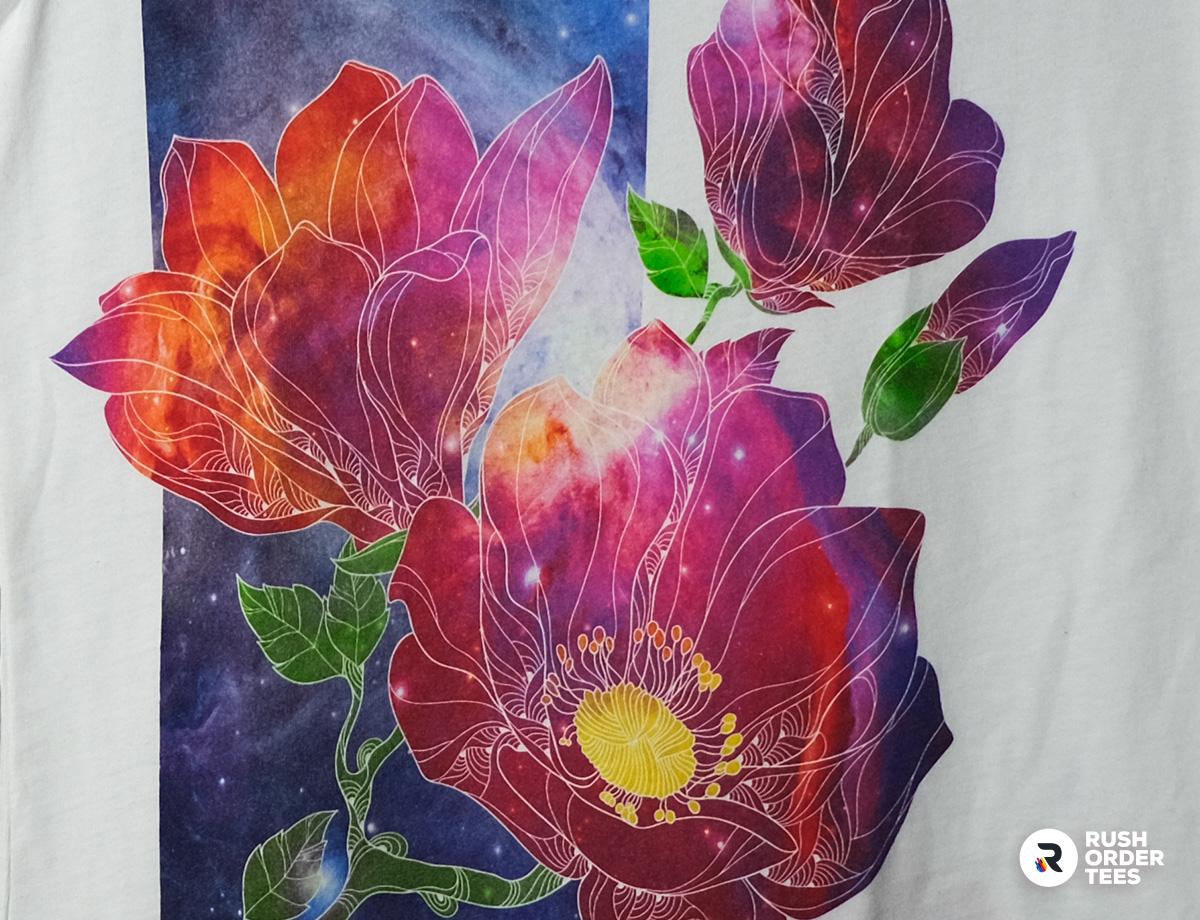
Most DTG systems use water-based inks, and newer platforms have reduced pretreatment chemistry and water consumption compared to earlier generations. The environmental advantage shines brightest on complex, full-color designs in small quantities where screen printing would generate excessive setup waste. The ability to print what's needed, when it's needed, aligns well with sustainable supply chain thinking.
The method has limitations that affect both sustainability and practical use. DTG performs poorly on polyester and synthetic blends, restricting it primarily to cotton garments. Pretreatment solutions—still necessary on many systems for proper ink adhesion—add chemical and water use that varies by equipment and fabric. Curing requires significant heat energy. Perhaps most critically, DTG durability hasn't kept pace with other methods. Prints can fade or crack faster than screen printing or DTF, potentially shortening garment life and undermining the sustainability gains from reduced setup waste.
DTF has largely displaced DTG in commercial production for good reason—better durability, broader fabric compatibility, and often lower per-piece costs. DTG still finds use in print-on-demand operations where the infrastructure is already in place and order quantities are consistently small, but it's increasingly a legacy technology rather than a growth area.
Best for: One-off or very small quantity orders with complex designs on cotton garments, particularly in print-on-demand models where avoiding inventory is the priority.
Sublimation
Sublimation infuses dye directly into polyester fibers using heat, creating decoration that becomes part of the fabric rather than sitting on top of it. This produces exceptionally durable, crack-resistant graphics with excellent colorfastness—the design won't fade, peel, or wash out because it's chemically bonded to the polymer. The process uses relatively little water compared to traditional wet printing methods, and the decoration's longevity means garments stay wearable through countless washes, reducing replacement frequency in performance wear and team uniforms where it's commonly used.
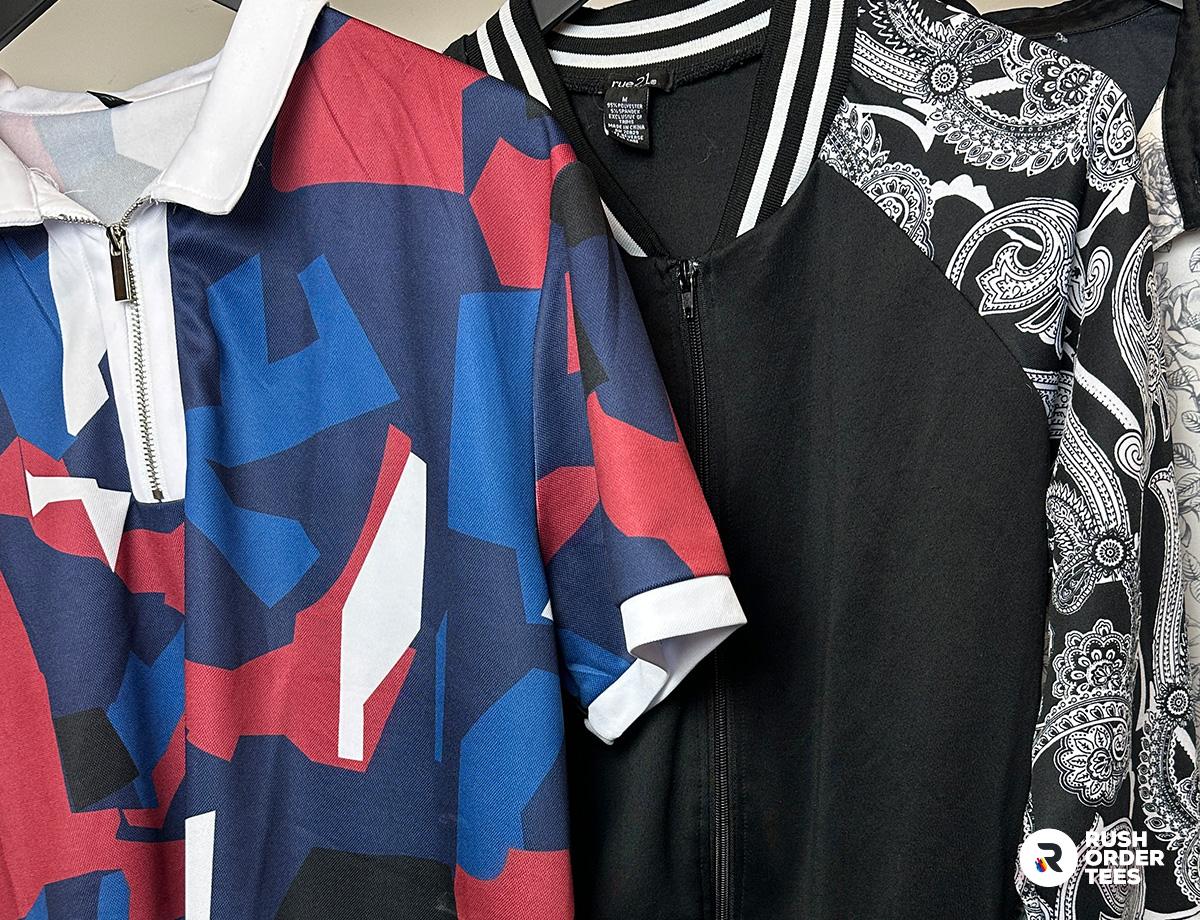
The method's sustainability profile centers on polyester dependency. Sublimation only works on polyester or polyester-coated substrates—natural fibers like cotton won't accept the dye without special coatings that add processing steps and chemicals. Every sublimation job also requires disposable transfer paper, generating paper waste proportional to the print area. Heat pressing consumes significant energy, particularly on larger formats like all-over prints on jerseys or flags.
For activewear, sportswear, and technical garments that are already polyester by necessity, sublimation makes sense. The decoration matches the fabric's performance characteristics—breathable, moisture-wicking, and incredibly durable. It's widely used in industries like team sports, promotional products, and custom home goods. For buyers prioritizing natural fibers or looking to avoid petroleum-based materials, sublimation's polymer requirement is a dealbreaker regardless of other sustainability attributes.
Best for: Polyester performance apparel, technical sportswear, and applications where all-over printing or photographic reproduction on synthetic fabrics is required.
Which Method Is Most Sustainable?
There's no single answer—the most sustainable decoration method depends on your specific project variables. True sustainability impact comes from a comprehensive approach to a multitude of factors.
- Order quantity matters enormously: screen printing's setup waste looks different at 24 pieces versus 500.
- Design complexity shifts the calculation too: a simple one-color logo has a lighter footprint than a full-color photographic print regardless of method.
- Fabric type constrains your options: cotton, polyester, and blends each work better with different processes.
- Durability expectations also factor in—a decoration that lasts five years is more sustainable than one that fails after ten washes, even if the initial production seemed greener.
- The garment's intended use, your timeline, and your budget all influence which method makes the most environmental and practical sense.
- Design decisions—covered in the next section—interact with these factors to either amplify or minimize the sustainability impact of whichever decoration method you choose.
Sustainable Design Strategies
Your design decisions directly control resource consumption regardless of which decoration method you choose. Simpler designs use less ink, fewer screens, less thread, and require less production time and energy. Strategic choices about color count, print size, and placement can cut your environmental footprint in half without sacrificing visual impact. The best sustainable designs don't look like compromises—they're intentional, focused, and often more memorable than cluttered alternatives. Here's how to design with sustainability in mind while creating graphics people actually want to wear.
Simplify Your Color Palette
Color count directly affects sustainability in screen printing and embroidery, where each color requires separate screens or thread changes, multiplying setup waste and production time. Digital methods like DTF, DTG, and sublimation use four-color process printing regardless of your design's color count, so limiting colors doesn't reduce their material consumption—but the visual simplicity still communicates intentionality and often creates stronger, more memorable designs.
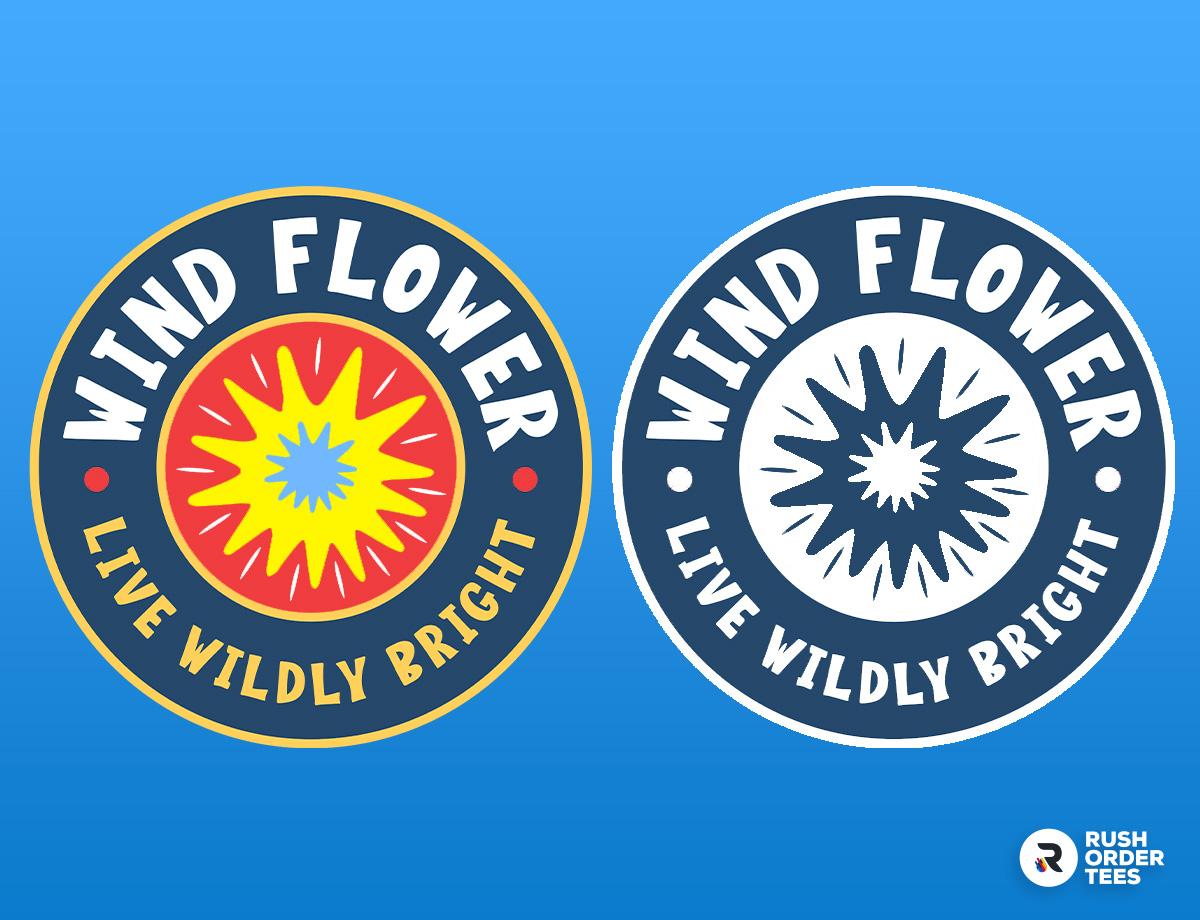
- Single-color designs maximize efficiency in screen printing and embroidery. One screen or one thread color means minimal setup waste, faster production, and significantly less energy consumption compared to multi-color jobs.
- Two or three colors offer design flexibility while keeping resource use reasonable. You gain enough variation for visual interest and brand colors without the exponential waste increase that comes with five, six, or eight-color designs.
- Choose colors that work across decoration methods. If you might reorder using different techniques later, a simplified palette ensures consistent reproduction whether you're screen printing, embroidering, or using transfers.
- Full-color designs are sometimes worth the trade-off. Photographs, complex logos with many brand colors, or designs where color accuracy drives recognition justify the additional resource use—just make the choice deliberately rather than defaulting to full-color because it's available.
Reduce Print Size and Coverage
Surface area coverage matters more than overall design dimensions—a large design with strategic knockouts uses far less ink than a smaller design with solid backgrounds. Every square inch you don't print saves ink, energy, and in some methods like DTG, pretreatment chemicals. This is the single most impactful design decision you can make for sustainability.
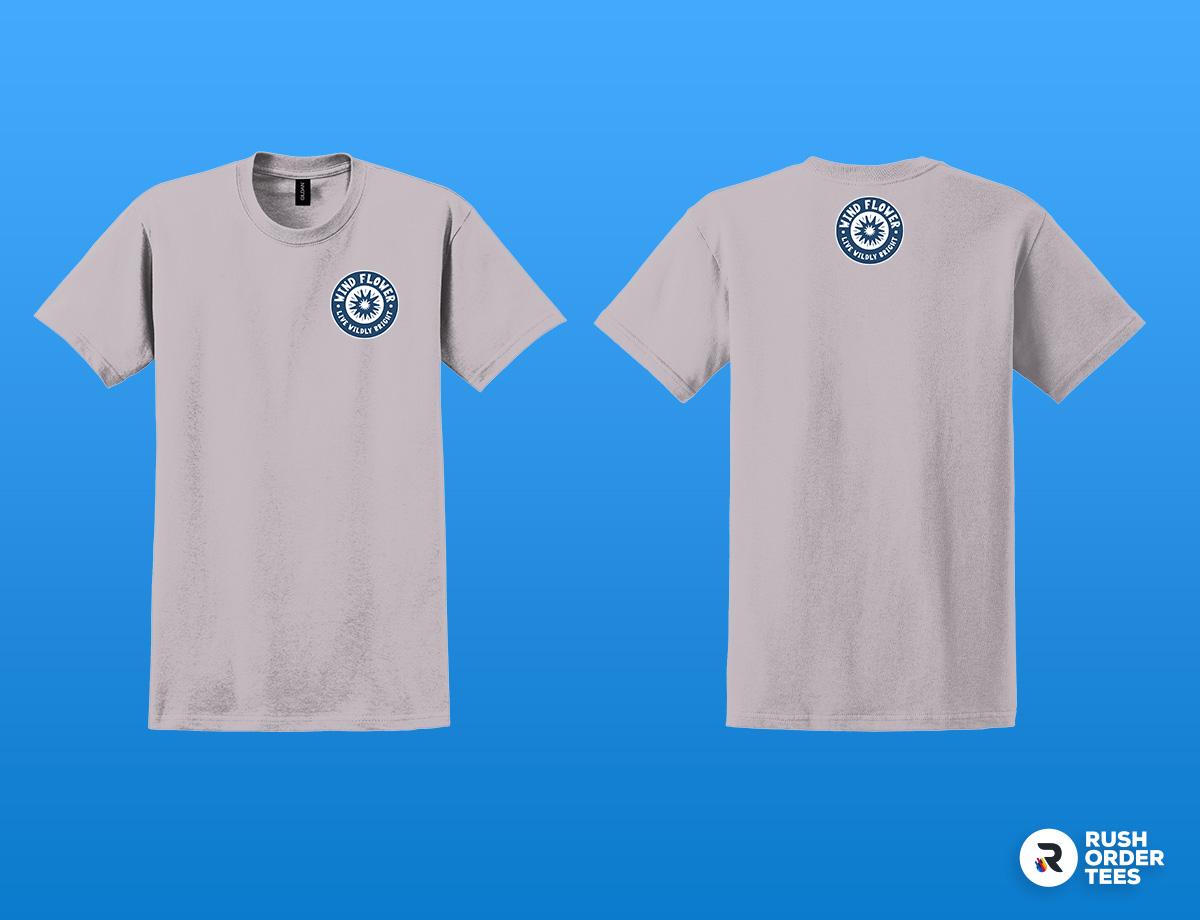
- Keep overall design size modest rather than maxing out print areas. A centered chest print uses less ink than a full front, and a left chest placement uses even less—smaller designs often look more refined anyway and draw focus to the graphic itself.
- Remove unnecessary backgrounds completely. If your design sits on a colored rectangle or square, eliminate it—those solid fills consume massive amounts of ink while adding nothing to the design's effectiveness.
- Knock out areas that match the garment color. Don't print black ink on black shirts or white ink on white totes—let the fabric show through and save the ink for elements that actually need coverage.
- Use outline treatments instead of solid fills. Outline fonts and graphics create visual impact with a fraction of the ink compared to solid fills, and they often read better from a distance.
- Test visibility and legibility at actual size. Smaller, simpler designs work perfectly for chest prints and most applications—just ensure text remains readable and key elements stay recognizable at the size people will actually see them.
Minimize Print Locations
Each print location multiplies resource consumption—front, back, and sleeves means running the garment through production three separate times, tripling ink usage, energy, and labor. Multiple locations also increase the likelihood of misprints and waste. Limiting decoration to one or two strategic placements dramatically reduces environmental impact.
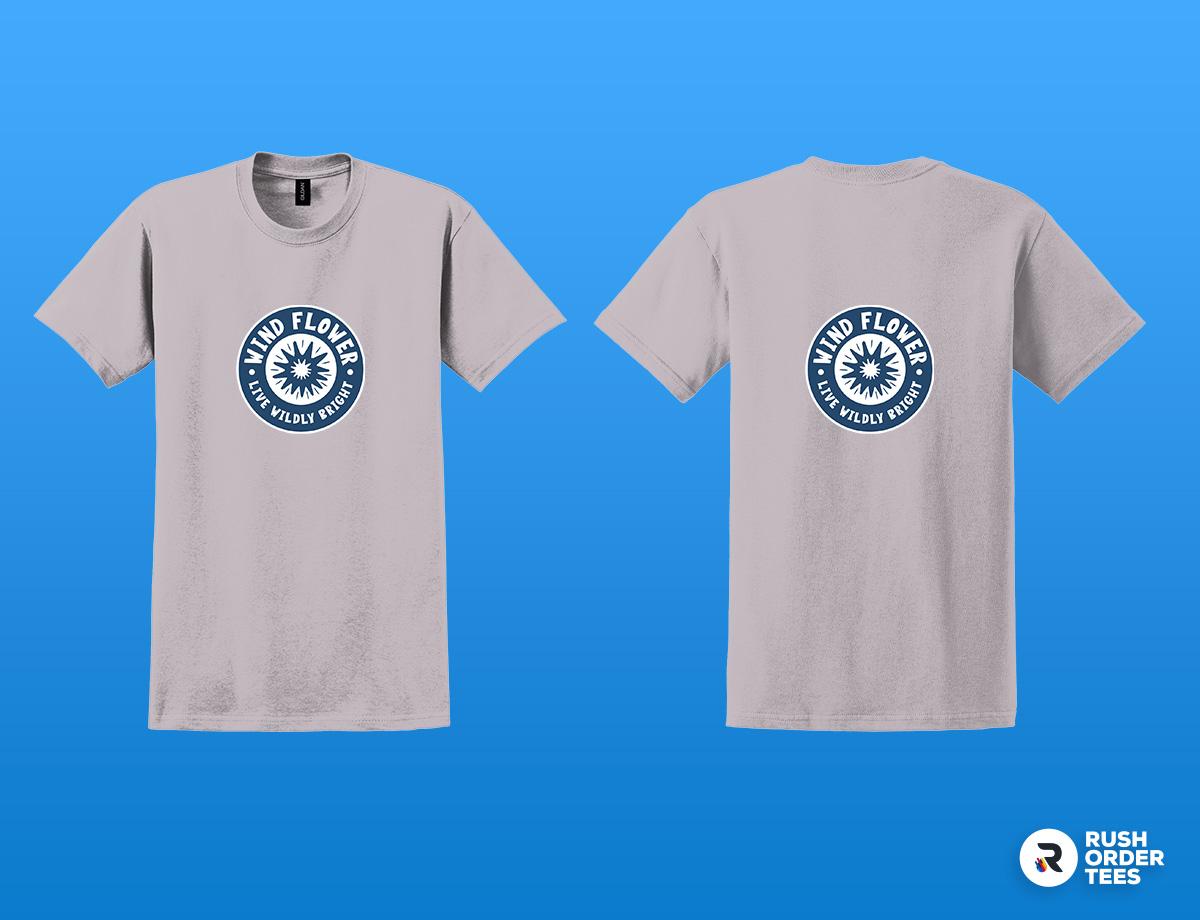
- Single-location printing cuts resource use by half or more compared to multi-location jobs. A front chest or full back print accomplishes most branding and messaging goals without the compounding waste of multiple placements.
- Front-only or back-only designs work for most applications. Event shirts, team apparel, promotional tees, and branded merchandise typically need just one well-designed print location to be effective.
- Save two-location printing for garments that genuinely benefit. A small logo on the front with larger messaging on the back makes sense for staff uniforms or awareness campaigns where both placements serve distinct purposes.
- Avoid decorative embellishment for its own sake. That small logo on the sleeve or subtle detail on the pocket might look premium, but it adds minimal value while meaningfully increasing the production footprint.
Choose Eco-Friendly Design Aesthetics
Design aesthetics that visually communicate sustainability often align with production choices that reduce resource consumption—a fortunate overlap. Nature-inspired imagery, minimalist layouts, and earth-tone palettes tend to be simpler by design, which means fewer colors, less coverage, and reduced material use. We cover sustainable visual themes in depth in our companion article on sustainable apparel design, but it's worth noting where aesthetic and production sustainability reinforce each other.
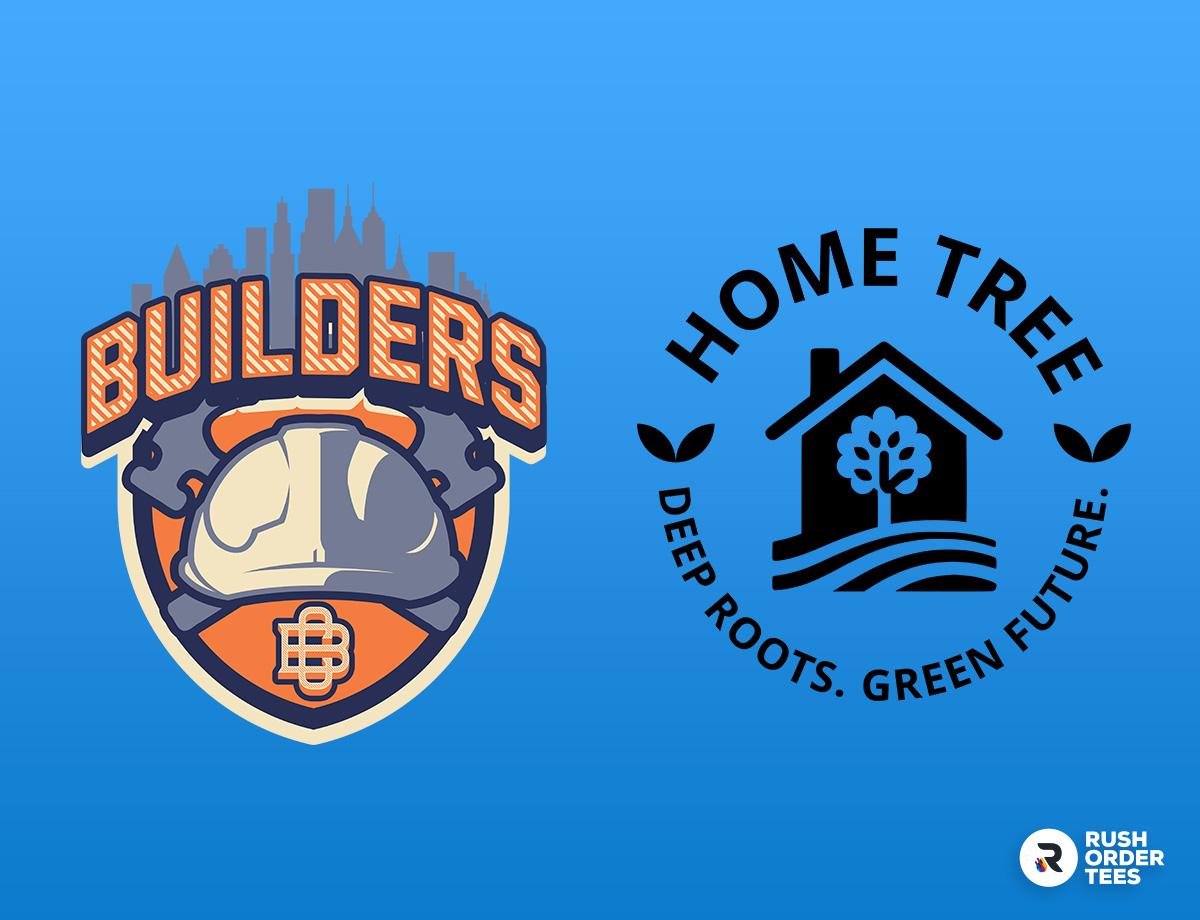
- Minimalist and clean design approaches naturally use less ink. Simple layouts with ample whitespace, limited elements, and restrained typography translate directly to smaller print areas and reduced coverage.
- Line art and simple graphics reduce surface coverage dramatically. Nature-inspired illustrations using outlines, contours, and negative space create visual interest with a fraction of the ink required for filled illustrations or photorealistic images.
- Earth-tone and natural color palettes often mean fewer spot colors in screen printing. Browns, greens, tans, and muted blues typically require two or three colors maximum, compared to bright, complex designs that might need six or more.
- Hand-drawn and organic illustration styles work well with single-color or limited-color approaches. These aesthetics feel authentic and intentional with minimal color, avoiding the "cheap" look that sometimes plagues oversimplified corporate designs.
Use Design Effects Strategically
Design effects that break up solid coverage reduce ink consumption while adding visual interest and improving how the printed garment wears and moves. These treatments work across decoration methods and give you creative control over the sustainability-aesthetics balance. The key is intentional application—effects should enhance your design, not just exist to save ink.

- Distressed and vintage effects dramatically reduce surface coverage. Apply distress patterns—available widely online—to create anything from subtle fading to heavily weathered, grainy textures that cut ink use by 30-50% while communicating an authentic, eco-conscious aesthetic.
- Distressing improves print drape and flexibility. Breaking up solid coverage means the decorated area moves more naturally with the fabric, staying comfortable through wear and washing while reducing the stiff, heavy feel of full-coverage prints.
- Halftone patterns add depth with minimal ink. Graduating dots or lines create dimension and shading using far less ink than solid fills, working particularly well for backgrounds, shadows, and tonal variation.
- Geometric patterns and line work create texture strategically. Parallel lines, crosshatching, or grid patterns reduce coverage while adding visual complexity—think athletic jersey ventilation holes or technical-looking linear elements.
Design for Longevity and Versatility
The most sustainable garment is one that gets worn repeatedly for years instead of ending up in a donation bin or landfill after a few months. Design choices that maximize wearability and longevity have a greater environmental impact than any production decision—a shirt worn 100 times beats a shirt worn twice, regardless of how it was printed.
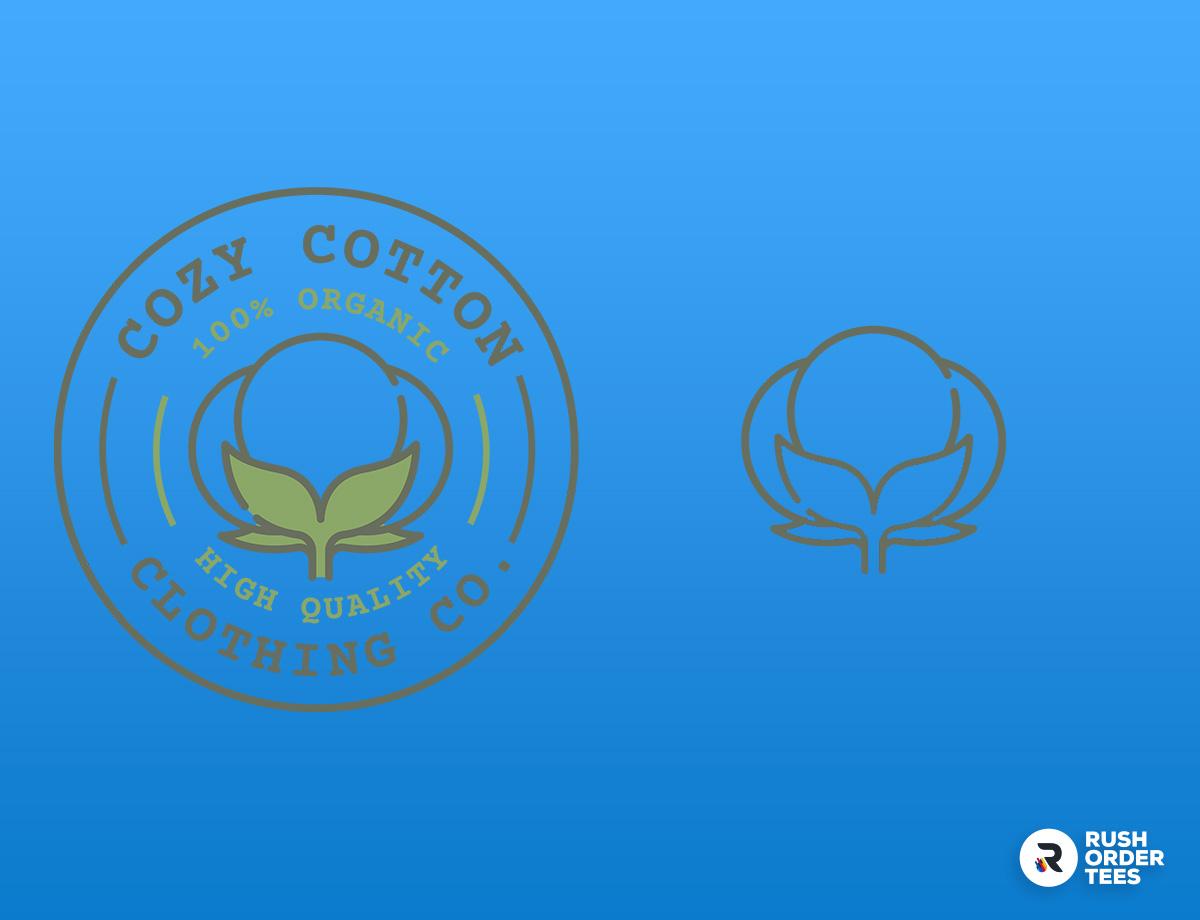
- Timeless designs outlast trendy ones by years. Classic layouts, straightforward typography, and enduring visual themes stay relevant long after trendy effects and meme-driven graphics feel dated and unwearable.
- Simple, modest designs work with more outfits and occasions. A small chest logo or understated back print integrates into people's regular wardrobe rotation; bold, loud designs get worn only for specific events or not at all.
- Avoid references that expire quickly. Year-specific callouts, timely pop culture nods, or event details that date the garment ensure it becomes irrelevant fast—generic enough to stay useful is actually a virtue here.
- Consider whether your design limits the garment's usability. Overly specific messaging, inside jokes, or niche references mean recipients can only wear the item in narrow contexts, reducing total wear frequency.
- Promotional products face the same longevity challenge. Tote bags, drinkware, and accessories people genuinely want to use stay in circulation; items that feel disposable or too branded for daily use become clutter quickly.
Production Best Practices Beyond Design
Design and decoration methods are the big levers, but other production decisions affect sustainability too. How you order, package, and prepare files all contribute to the total environmental footprint. These practices won't offset wasteful design or printing choices, but they complement smart decisions and help ensure your sustainability efforts extend through the entire production process.
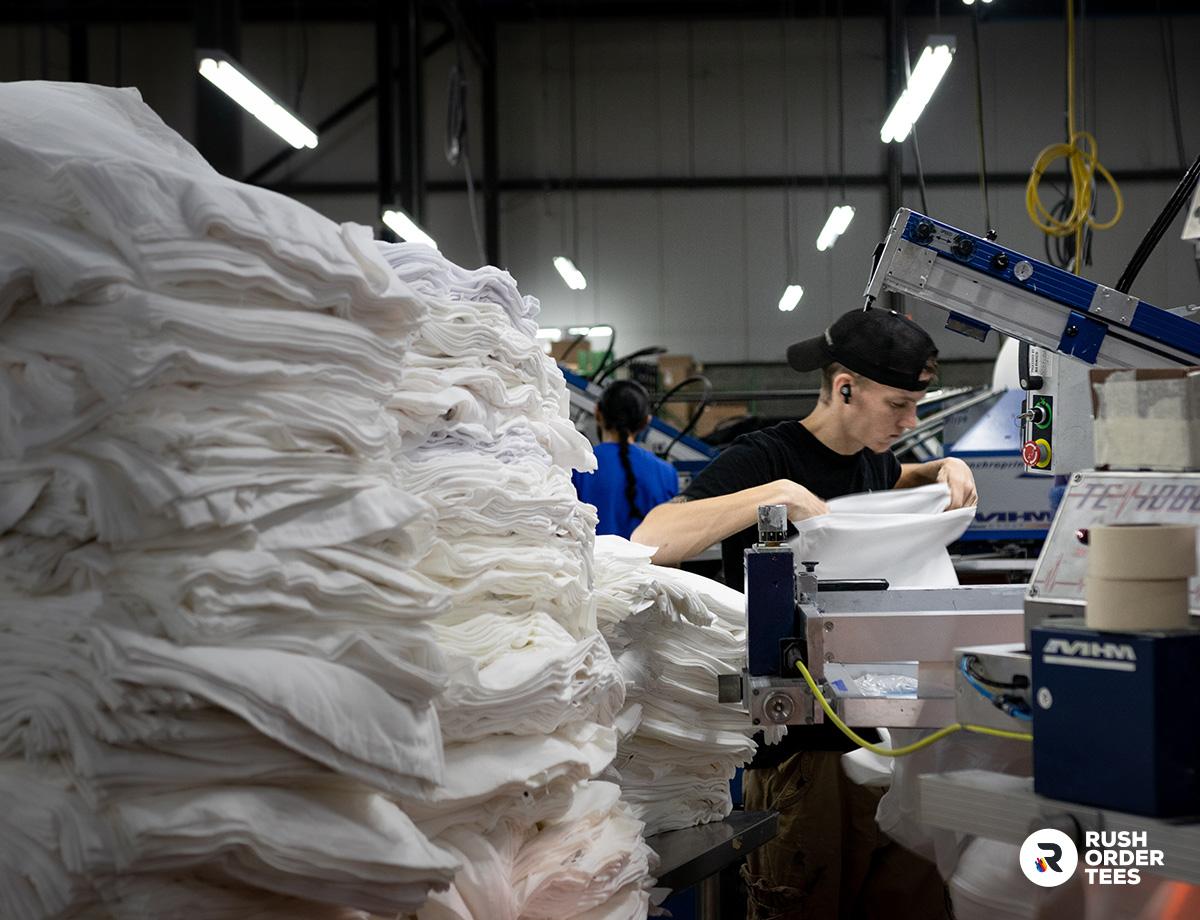
- Right-size your order quantities to match actual need. Ordering 500 shirts when you'll realistically distribute 300 creates waste through excess inventory—balance minimum quantities and per-piece pricing against what you'll actually use.
- Request minimal or consolidated packaging. Individual polybags add plastic waste; ask for bulk packing when possible and skip unnecessary packaging layers for internal distribution or direct-to-wearer shipping.
- Use digital proofing instead of physical samples when possible. Physical samples require shipping, materials, and production time; digital mockups and PDF proofs handle most approval needs without generating waste.
- Consolidate shipping whenever practical. Combining orders or choosing slightly longer timelines that allow consolidated shipment reduces transportation emissions compared to multiple rush shipments.
- Communicate sustainability priorities with your printer upfront. Ask about eco-friendly ink options, waste reduction practices, and sustainable alternatives—printers can often accommodate specific requests if they know about them before production starts.
RushOrderTees Approach to Sustainable Production
We offer decoration methods across the sustainability spectrum—from embroidery's minimal chemical use to DTF's reduced setup waste to water-based screen printing options. Our design team works with customers to balance visual goals with environmental priorities, helping identify where simplified designs or different print methods achieve the same impact with lower resource consumption. We stock eco-friendly blanks from brands committed to sustainable materials and manufacturing, making it straightforward to pair responsible fabrics with responsible decoration.
Quality drives our sustainability philosophy as much as process choices. Durable decoration that survives years of wear keeps garments in use and out of landfills—we prioritize print methods and production standards that ensure longevity. Fast turnaround doesn't mean cutting corners on technique or pushing wasteful practices. We're transparent about how different methods and design choices affect environmental footprint, because informed customers make better decisions for their specific needs and values.

Making Sustainable Choices Through Design and Production
Sustainable custom apparel extends far beyond fabric selection into the design and decoration decisions you control. Simplifying color palettes, reducing print coverage and size, limiting print locations, and choosing decoration methods appropriate for your order all significantly reduce environmental impact. Strategic design effects break up solid coverage while adding visual interest. Most importantly, creating designs people actually want to wear—simple, versatile, timeless—keeps items in circulation for years instead of months, making longevity your most powerful sustainability tool.
RushOrderTees brings decades of production experience to help you navigate these choices effectively. Our team provides unlimited design support to optimize your graphics for both visual impact and environmental responsibility. We offer the full range of decoration methods—embroidery, DTF, screen printing with eco-friendly ink options—so you can choose what makes sense for your specific project. Our extensive catalog includes sustainable apparel and promotional products from brands committed to responsible manufacturing, making it easy to align materials with production practices. Whether you're ordering 24 pieces or 2,400, we're here to help you achieve your sustainability goals without compromising on quality or turnaround.

About the Author
A graduate of the Multimedia program at the University of the Arts in Philadelphia, Imri Merritt is an industry veteran with over 20 years of graphic design and color separations experience in the screen printing industry.